

Jowl Laser Lipolysis What is it?
The skin is the largest organ of the human body and becomes vulnerable to various external factors and internal changes over time. The skin naturally tends to be dry and thin, especially with the ageing process. With age, the production of connective tissue proteins such as elastin and collagen, the main structures that provide the skin's elasticity and firmness, decreases. However, environmental factors - such as the harmful effects of sunlight, smoking, air pollution and stress - have a negative impact on the skin's structure. In addition, cell death, genetic factors and excessive weight gain also cause unwanted changes in the skin. When these factors come together, the skin becomes thinner, drier and less elastic.
These changes, which develop in the body over time, are especially evident in the face area. The skin on the cheeks, around the chin and around the mouth sags under the influence of gravity and slides towards the under-chin area. This leads to a bulging appearance called "double chin" or "double chin", which is caused by fat accumulation and sagging in the area under the chin. The jawline loses its definition and the transitions between facial features become less clear. This process is not only aesthetically uncomfortable, but can also cause the person to look older than their age. Such changes are directly related not only to ageing, but also to lifestyle, weight changes and genetic factors.

Jowl Aesthetics with Jowl Laser Lipolysis What is it, how to do it?
One of the most commonly used methods to get rid of fat accumulation under the chin and in the jowl area is the melting and removal of fat from the body with laser technology. This procedure helps to achieve a more aesthetic appearance by targeting excess fat in the body. Laser fat melting, usually Liposuction or Lipolysis (Lipolysis) It is applied by combining with techniques such as.
Liposuction
Liposuction is a more invasive method and is a surgical intervention usually performed under general anaesthesia. In this technique, the fat under the skin is sucked out of the body with a thin tube (cannula). After the operation, the patient needs a recovery period of 3-4 days. Bruises and swelling may be seen after the intervention, but usually heal within two weeks. Corset use is recommended for 1 month after the operation. This procedure is more expensive because it is surgical and involves potential risks because anaesthesia is used. In addition, if more than one session is required, the pain and healing process can be more challenging.
Lipolysis (Lipolysis)
Lipolysis is a non-surgical alternative and is generally less invasive. It is an application performed with the help of laser beams or a needle to melt fat. In this procedure, fat cells are heated with a laser, then the body excretes these cells naturally, i.e. through urine. Lipolysis is usually performed in a single session and you can return to your daily life immediately. Minimal bruising, redness and swelling may be seen after the procedure, but it usually does not leave any bleeding or scarring. Lipolysis is more economical and less risky than liposuction. In addition, when reapplications are performed, the pain and complications seen in liposuction are not experienced; there may only be a slight oedema.
Jowl Aesthetics with Laser Lipolysis
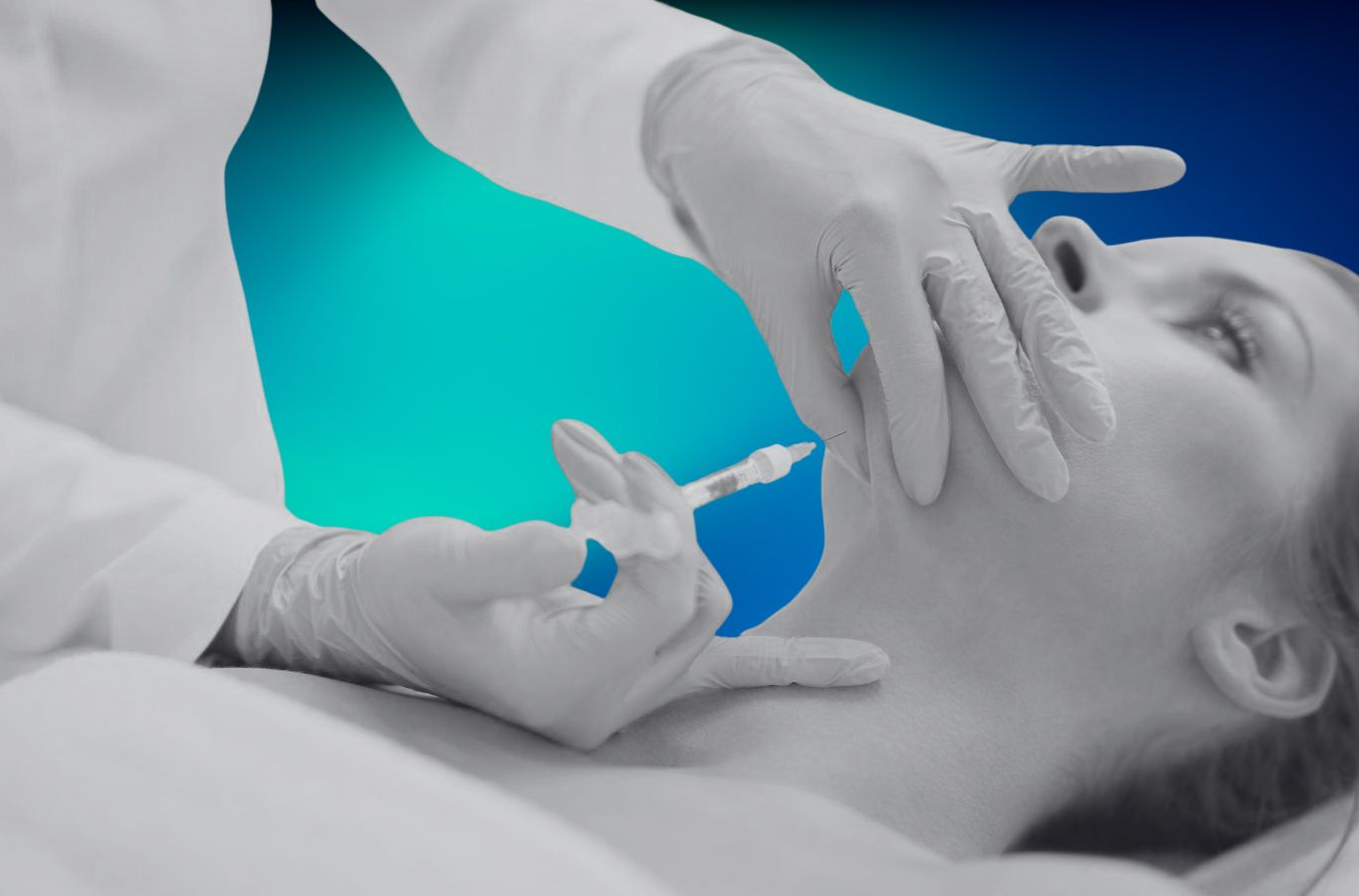
Used for melting fat deposits under the skin in the chin and jowl area Laser Lipolysis method usually offers a more localised solution. Laser beams are applied directly to the fat cells and these cells are melted. The melted fat is absorbed by the body and excreted through urine. Since this procedure does not require surgical intervention, the recovery period is short and leaves no scars. In addition, skin loosening is reduced and the skin looks firmer and younger. This procedure with Laser Lipolysis can usually be repeated every 3-4 months.
As a result, there are many surgical and non-surgical alternatives for those who want to get rid of double chin aesthetics and fat accumulation under the chin. Although both methods offer certain advantages, the most suitable option should be determined according to personal needs and budget.
Jowl How does it go?
Sagging and fat accumulations in the jowl area can cause aesthetic problems. Various surgical and non-surgical methods are available to solve this problem. Here are the most commonly used methods in this regard:
1. Jowl Lift Surgery (Necklift)
Jowl lift surgery is a surgical intervention to treat excess fat and sagging in the under-chin and neck area. This procedure is usually performed under general anaesthesia. During the operation, a 2-3 cm incision is made under the chin and the muscles are repaired by removing excess fat. If there is sagging and loosening of the skin, the incision is slightly widened, the excess skin is removed, and the skin is stretched and stretched around the ear. In some cases, chin prosthesis can also be performed due to a small chin tip. This surgery provides long-lasting results, but recovery time and surgical risks may be involved.
2. Neck - Jowl Filling
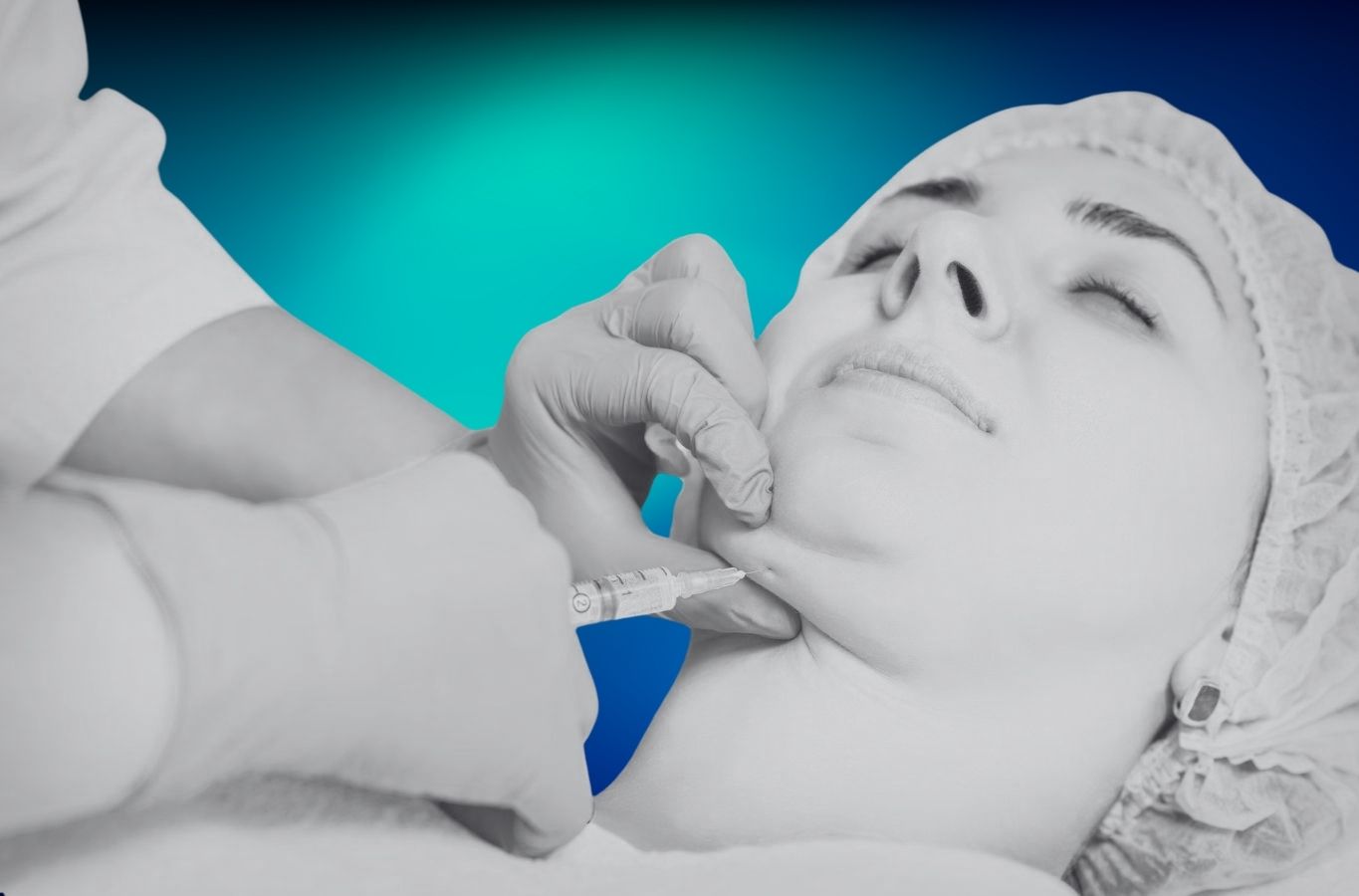
Another preferred method to correct wrinkles, lines and gaps in the jowl area is neck and jowl filling. This procedure is performed under local anaesthesia and takes approximately 30 minutes. Fillers are injected under the skin to fill the gaps and make the area firmer. Since this procedure is minimally invasive, the recovery time is fast and return to social life is usually possible immediately. However, the effect of the fillers is temporary and may need to be renewed periodically.
3. Vaser - Laser Liposuction
Vaser Liposuction or Laser Liposuction technology is the process of liquefying the excess fat in the double chin area with ultrasonic sound waves (Vaser) or laser beam and sucking it out with a special device. These techniques, which are performed under local anaesthesia, are less invasive and the recovery time is very short. In this procedure, fats are permanently removed from the body and the skin gains a firmer appearance. In addition, laser procedures make the skin look smoother and younger.
4. Other Methods
Apart from these, there are also methods such as mesotherapy and radio frequency used to get rid of fat in the jowl area. These methods are generally less invasive and are aimed at melting, tightening and rejuvenating the fat under the skin.
As a result, fat and sagging in the jowl area can be treated with various aesthetic applications, both surgical and non-surgical. The most appropriate method can be selected according to the needs, age and skin structure. Since each method has its own advantages and healing processes, it would be the best approach to create a personalised treatment plan in consultation with a specialist.
Frequently Asked Questions
When are the results of double chin laser lipolysis visible?
Yes, the first results after aesthetic procedures performed in areas such as the jowl area can usually be noticed immediately. For example, after laser liposuction or filling procedures, a significant shape change can be seen in the application area. However, full results appear within a few weeks or sometimes a few months. This is due to the complete removal of fat cells by the body and the healing process of the newly shaped area. Especially after fat melting procedures such as liposuction or lipolysis, it may take time for the body to completely eliminate fat cells. In addition, the swelling and oedema that occur in the tissues after the procedure decreases within a few weeks, which contributes to the clarity of the result. During this time, the tightening and shaping of the skin in the treated area continues, so it is important to approach the healing process patiently for permanent and best results.
How is the healing process after jowl laser lipolysis?
Yes, the healing process may vary from person to person, but usually temporary effects such as mild swelling, redness and tenderness can be seen. These symptoms usually disappear within a few days after the procedure. To speed up the healing process and prevent complications, it is very important to follow the surgeon's instructions carefully. These may include protective clothing (e.g. a corset or bandage), avoiding swimming or extreme heat, and avoiding alcohol and smoking. It may also be useful to apply a cold compress to reduce swelling and regenerate the skin. In the first few weeks, there may be slight oedema in the procedure area, but this is completely normal and will decrease over time. If you think you have a problem, contacting your surgeon will be the best approach.


